
Marine Seals and Gaskets Built for Saltwater Service
High-performance seals for saltwater and freshwater applications, from propulsion engines and hydraulic steering to cargo hatches and subsea equipment. Engineered to your operating conditions for a long service life.
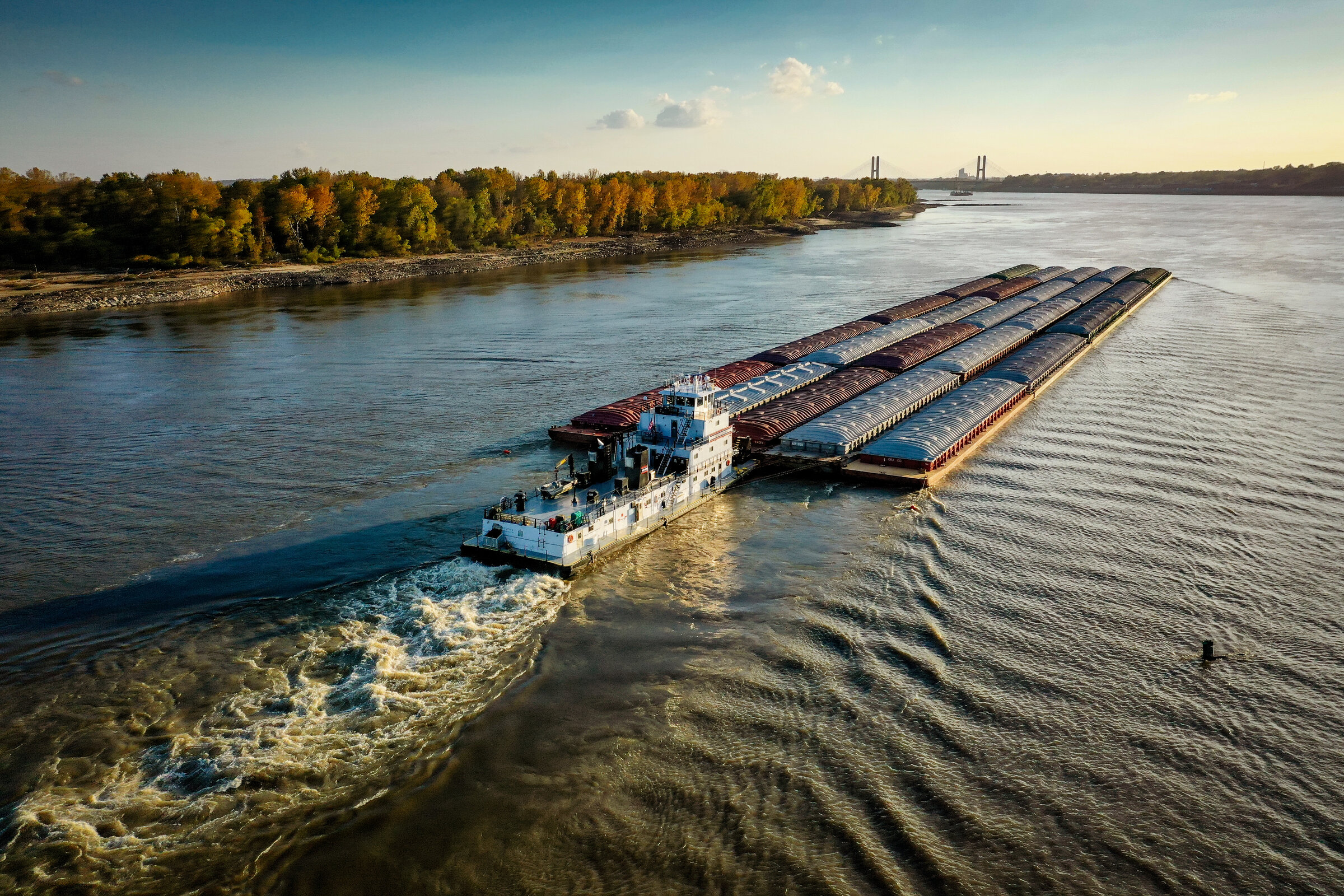
Vessels and equipment in marine environments face constant moisture, corrosive substances, vibration, UV exposure, and fluctuating temperatures. Every one of those conditions attacks seal integrity, and a failed seal means unplanned downtime, safety risk, or environmental damage.
MPRC Products builds sealing solutions made to withstand marine conditions. From tugboats and tankers to barges and subsea operations, our seals are designed for reliability and a long service life.
Where MPRC Seals Work on a Vessel
Marine engines run at the same high pressures and temperatures as locomotives, and barges and tankers carry the same fuels and chemicals as their land-based counterparts. We supply seals for the entire vessel, from propulsion to deck equipment.
Tugboats
Engine, steering, and deck machinery.
- Main propulsion engines
- Hydraulic steering systems
- Winches and hoisting equipment
- Seawater and freshwater pumps
Barges and Tankers
Preventing leaks and contamination in bulk transport.
- Cargo hatch covers
- Transfer valves and pump couplings
- Ballast and fuel systems
- Hydraulic loading and unloading arms
Subsea Operations
Watertight performance under high hydrostatic pressure.
- ROV connectors
- Hatch gaskets
- Pressure-rated shaft seals
- Seals for dynamic motion and extreme conditions
Deck and Access Systems
Air and water integrity that vessel safety depends on.
- Hatches
- Bulkheads
- Watertight doors
Choosing the Right Marine Seal
A seal is only as good as its match to the operating conditions. These are the four factors we design around.
Material Compatibility
Materials must resist saltwater, UV radiation, fuels and lubricants, and marine biofouling. EPDM, FKM, HNBR, PTFE, and marine-grade polyurethane are common choices.
Operating Conditions
Pressure, temperature, and abrasion drive design and material selection. A propulsion shaft seal faces different forces than a hydraulic cylinder or bilge pump seal.
Corrosion Resistance
In saltwater service, metal components must resist corrosion. Flange gaskets and bonded seals often call for coatings or stainless alloys.
Regulatory Compliance
Seals must meet international marine standards such as IMO, ABS, DNV, Lloyd’s Register, and USCG for safety, environmental protection, and insurance eligibility.
See MPRC Seals in Action
Bigfoot™ Top Cover SealA larger sealing surface that holds under head-frame clamp pressure.
Exhaust Gasket Item and Location ChartFind the right exhaust gasket by position on the engine.
Why Marine Professionals Choose MPRC
More than off-the-shelf components: seals engineered to each application and backed by proven performance.
Engineered to Fit
We work from your pressures, temperatures, chemical exposure, and movement profile to specify the right seal.
Marine-Grade Materials
Elastomers, fluoropolymers, and thermoplastics that resist saltwater, UV, ozone, and chemical attack.
Tested Beyond Standard
Built to specified tolerances, pressure ratings, and fluid compatibilities to extend service life and cut downtime.
Real Support
Live customer service and technical experts in Cedar Rapids, Iowa. Most quotes returned within 24 hours.
Request a Quote for Marine Seals and Gaskets
Send a part number, drawing, or sample description and we will return pricing and lead time. Most quotes are returned within 24 hours.
Prefer to talk?
Monday through Friday, 8:00 AM to 5:00 PM Central. Or email sales@mprcseals.com.
What to include
- Vessel or equipment type (engine, pump, hatch, hydraulic system)
- Part number, drawing, or dimensions
- Media, temperature, and pressure
- Quantity and required date