
Biofuel Seals and Gaskets Built for Ethanol and Biodiesel
Seals that resist the swelling, softening, and cracking biofuels cause in standard elastomers. Engineered for distillation heat, cold starts, and continuous processing, from feedstock to final transport.
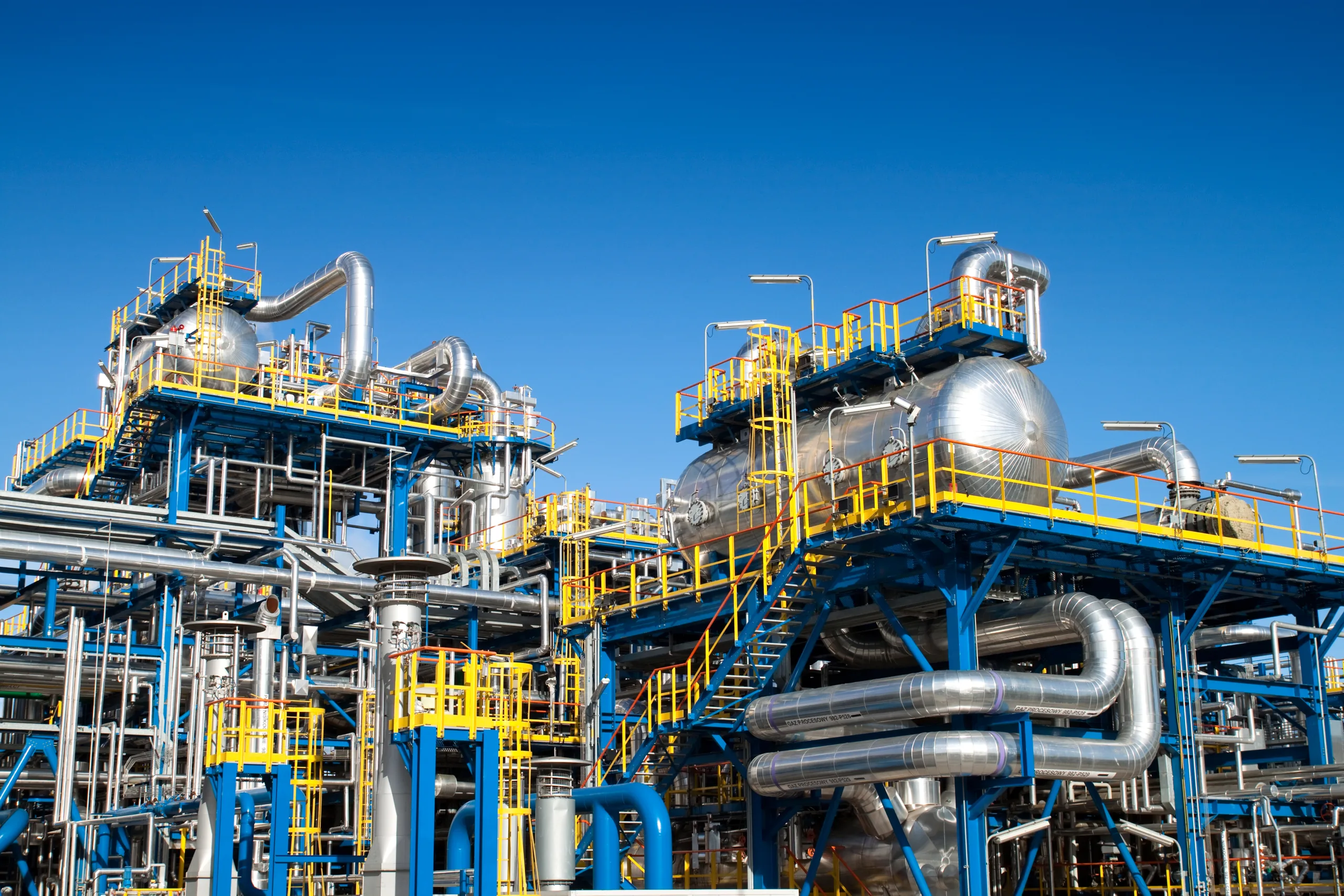
The biofuel industry transforms agricultural and waste products into renewable fuels such as biodiesel and ethanol. To stay efficient, safe, and compliant, every part of the process must perform reliably, especially the seals.
Our team understands the material, pressure, and temperature tolerances biofuel production demands. Whether you are designing new equipment or upgrading existing systems, we recommend the most effective seal for each stage of your operation.
The Sealing Challenges of Biofuel
Biofuel chemistry degrades standard materials, and fluctuating process conditions and regulation add complexity.
Chemical Resistance
Ethanol and biodiesel can cause traditional elastomers to swell, soften, or crack.
Thermal and Pressure Swings
Seals must tolerate high-temperature distillation and cold-start conditions with frequent pressure shifts.
Operational Reliability
Continuous processing demands long-lasting seals that minimize downtime and maintenance.
Product Purity
Inadequate seals can introduce contaminants that compromise fuel quality and safety.
Regulatory Compliance
Proper sealing prevents leaks and emissions that could mean fines or environmental damage.
Custom Geometry
Specialized seals for mixers, agitators, and nonstandard reactor designs.
Where Our Seals Work
From raw feedstock processing to final transport.
Process Equipment
- Pumps, valves, and piping: leak-free, efficient fluid transfer
- Fermenters, reactors, and distillation columns: pressure and chemical exposure during conversion
- Digesters and centrifuges: abrasive slurry plus mechanical and thermal stress
- Distillation systems and heat exchangers: high-temperature vapor containment
Storage and Transport
- Storage tanks and separators: static load, chemical exposure, and temperature swings
- Railcars, trucks, and marine tankers: hatch, valve, and connector seals that prevent spills
- Pumps and valves: accurate flow control that prevents fugitive emissions
How We Select a Biofuel Seal
Core Factors
- Material compatibility: FKM, Aflas, EPDM, HNBR, and PTFE for chemical resistance in biofuel service
- Seal type: static (O-rings, gaskets) and dynamic (mechanical seals, shaft seals)
- Temperature and pressure ratings specified for sudden changes
- Environmental and safety standards for emissions control and compliance
- Service longevity to reduce maintenance intervals and maximize uptime
What We Also Evaluate
- Chemical concentrations and clean-in-place (CIP) protocols
- Vibration, shaft runout, misalignment, and equipment wear
- Compression set resistance and permeation behavior for volatile fuels and gases
- Explosive decompression risk in high-pressure gas service
Why Biofuel Producers Choose MPRC
Expertise, materials, and custom engineering for operations from small-scale facilities to global distribution networks.
Application-Specific
Customized materials and precision engineering for each stage of production.
Chemical Expertise
Materials selected for ethanol, biodiesel, and byproduct exposure.
Compliance-Ready
Seals that support emissions control and safety requirements.
Real Support
Live customer service and technical experts in Cedar Rapids, Iowa. Most quotes returned within 24 hours.
Request a Quote for Biofuel Seals and Gaskets
Tell us about the equipment and the fuel and we will return pricing and lead time. Most quotes are returned within 24 hours.
Prefer to talk?
Monday through Friday, 8:00 AM to 5:00 PM Central. Or email sales@mprcseals.com.
What to include
- Equipment type (pump, valve, reactor, tank, railcar)
- Fuel or chemical and concentration
- Temperature, pressure, and CIP protocol
- Quantity and required date